India 2047: Advanced Steel Solutions for a Progressive Nation
As India moves towards its centenary of independence in 2047, the nation’s ambitions for sustainable and inclusive growth demand resilient infrastructure built with intelligence and innovation. Steel, particularly in its advanced and coated forms, has emerged as the foundation of this transformation. In this article, Priya Rajesh, CMO, Tata BlueScope Steel, shares how the material is redefining construction, enabling smart cities, supporting green initiatives, and powering the country’s vision of a progressive and self-reliant future.


By 2047, it is predicted that India will house over 1.6 billion dreams. The question here is, how will we build infrastructure that would meet these expectations? How will we make progress that will also protect and preserve our planet’s resources?
This understanding of how the Indian landscape is changing underscores a more general reality: the infrastructure of the future must be as varied and dynamic as the people it serves.
The pursuit of inclusive, intelligent, and climate-resilient growth will be the transformative force that defines the century as the country approaches its 100th anniversary of independence. Advanced coated steel is at the vanguard of this trend, prioritising sustainability, speed, and adaptability over strength alone.
Vision 2047: Steel for a Developed and Sustainable India
Vision 2047 aims to increase the steel industry's current capacity to 500 million tonnes by 2047, thereby creating a fully developed and self-sufficient country. Steel will be positioned as essential to the "Viksit Bharat" goal, thanks to these noteworthy advancements in the sector.Key areas of steel dominance would include—
- Smart Cities and Urbanisation – Over 400 million people are forecasted to live in cities by the year 2047. Smart infrastructure will require innovative materials, making coated steel the best choice.
- Green Construction — With developers focusing on sustainability, coated steel benefits such as reflectivity and thermal efficiency will be key to the future of infrastructure.
- Zero-Emission Energy Network – EV charging stations, wind turbines, and solar farms will all be supported by steel structures.
- Affordable Housing — Initiatives like “Housing for All” will require smart and scalable steel solutions. Coated steel will work as the game changer here.
Steel: The Material Choice for New and Emerging India
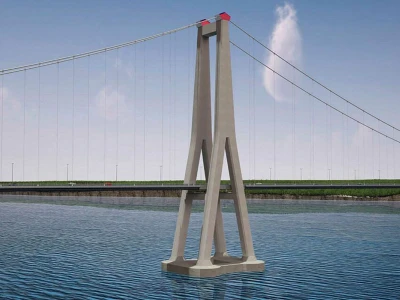
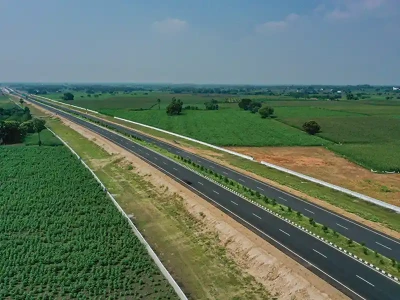
India requires a robust infrastructure to support rapid advancements in urbanisation, industrial expansion, as an increasing population has intensified its spotlight on infrastructure development.This focus on infrastructure development revolves strongly around steel. From skyscrapers, highways, energy facilities, and transportation systems, steel is at the heart of all infrastructure.
Infrastructure in the future requires more than just structural stability, as we are taking into account India’s urban surge, net-zero goals, and regional diversity. Tomorrow calls for a material that’s lightweight and long-lasting, reflective yet robust, and functional yet flexible.
The solution for the future is colour-coated steel. It is essential for next-generation infrastructure because it combines weather resistance, design flexibility, thermal efficiency, and recyclability. It is made by applying protective coatings over galvanised or galvalume substrates.
Why Coated Steel Will Shape the India of 2047
The Indian steel industry has been upgrading to modern standards since the early 2000s, thanks to technological advancements, global alignment, quality control, and a focus on sustainability. Moreover, the annual production of steel is anticipated to exceed 300 million tonnes by 2030-31.Despite these changes, the integrity of infrastructure is still facing several challenges, including harsh weather, rising costs, and sustainability requirements that are forcing top developers to reconsider the materials they use. Nevertheless, the infrastructure in India remains unparalleled, thanks to Galvalume substrates, which combine weather resistance, design flexibility, thermal efficiency, and recyclability, making them essential for next-generation infrastructure.
The future of infrastructure is anticipated to bring a promising turn with these zinc-aluminium-coated steel materials and their self-healing tech. Colour-coated steel has enabled modular and prefabricated construction, making it the ideal choice for quick and vertical constructions in urban areas. Data centres, commercial buildings, logistics parks, and metro stations are all excellent examples of uses for it.

As revolutionary and cost-effective as coated steel is, it is also developed with a futuristic perspective of rising temperatures and energy demand. However, coated steel roofing solutions provide a solar-reflective alternative, reducing air conditioning demands and keeping the interior cooler than usual. Coated steel is equally beneficial in other weather conditions of Indian geography, be it the dusty winds of the west, the salty air of the coasts, or the extreme low temperatures of the Himalayas. Coated steel works across the nation’s changing climates.
How is Advanced Coated Steel Enabling Smart and Sustainable Infrastructure?
Performance standards across industries have been redefined by advanced coated steel. Its exceptional strength-to-weight ratio, corrosion resistance, and adaptability in design have made it the perfect option for India's future.- Colour-Coated Steel for Built Environments: Colour-coated steel has emerged as the top choice for industrial, commercial, and institutional buildings. Its advanced features, thermal comfort, and long life make it ideal for the Indian climate.
- Structural Steel with High Strength: Tensile and weather-resistant materials are needed for heavy infrastructure such as warehouses, industrial sheds, and bridges. Colour-coated steel is a perfect choice because of its strength and formability.
- Cool Roofing and Energy Efficiency: Cool roofing systems that utilise solar-reflective coated steel are gaining popularity as temperatures and energy costs rise. These systems support climate-resilient cities by lowering cooling loads and indoor temperatures.
Fire Safety and Compliance: Meeting Post-2020 Mandates
Aptly meeting the criteria of using Class A1 non-combustible materials, coated steel has become a crucial asset to safeguarding lives and minimising hazards. It not only meets but exceeds post-2020 safety benchmarks. For example, COLORBOND® is a product that meets safety specifications, thus optimising performance and providing guaranteed safety.Energy Efficiency, Sustainability, and Green Building Ratings
With India’s focus on sustainable industrial growth, the construction industry is rapidly aligning with stringent requirements such as the Energy Conservation Building Code (ECBC) and 5-star ratings from GRIHA. Solar-reflective colour-coated steel, such as THERMATECH® Solar Reflectance Technology-treated products, actively reduces heat absorption, interior temperatures, and energy consumption, making it ideal for hot climate zones. Over the building’s lifecycle, this contributes to lower cooling bills, reduced carbon footprints, and compliance with environmental standards. Coated steel solutions such as COLORBOND® and ZINCALUME® are engineered for recyclability, long life, and minimal environmental impact, aligning with circular economy practices and recognized by the Indian Green Building Council (IGBC).
Hygiene and Compliance for Sensitive Environments
The Indian hygiene standards play a crucial role in material selection for food and pharmaceutical industries. The FSSAI and Indian Pharmacopoeia Commission (IPC) demand rust-proof, smooth, and easily cleanable surfaces. Colour-coated steel cladding, with its non-porous finish, provides an ideal solution that maintains hygiene, supports compliance, and resists product degradation. Additionally, insulated coated steel panels help maintain temperature stability for cold storage, supporting agricultural export, food security goals, and warehouse compliance.Durability and Climate Resilience
Well-suited to diverse climatic conditions across India, IS 13620-certified coated steel offers robust protection against salt-laden air, high moisture, and monsoon challenges. Its durability extends structural life, reduces repair cycles, and provides visible wear indicators that enable predictive maintenance, minimizing downtime and unexpected costs."Colour-coated steel delivers strength, weather resistance, thermal efficiency, and recyclability—making it the material of choice for building future-ready infrastructure."
Flexible and Modular Warehouse Solutions
Modern warehousing demands adaptability to e-commerce spikes, pharmaceutical surges, or global supply chain shifts. Pre-punched, nut-bolted coated steel structures allow for fast-track builds, lightweight foundations, and relocatable frameworks. These modular designs support circular construction practices, reduce waste, and allow for easy expansion or relocation without compromising structural integrity.Aesthetic Value, Lifecycle Economics, and Strategic Impact
Coated steel offers both functional and aesthetic benefits. Galvanised silver finishes improve interior lighting by enhancing reflectivity, reducing dependence on artificial lighting, and minimizing energy costs. External coloured façades offer branding flexibility and integration with urban environments. Attributes like low maintenance, rust resistance, and repaint-free life cycles save costs of up to 30%, particularly in Tier-2 and Tier-3 cities. Products such as DURASHINE® and COLORBOND® exemplify the balance of aesthetics, performance, and economics.Construction is not only about building structures but also about embedding resilience, compliance, and sustainability at the core. Coated steel combines performance, adaptability, and green credentials, making it a strategic enabler for modern industrial buildings. Enterprises using coated steel are setting benchmarks for tackling complex construction challenges while delivering visible and long-lasting value.
Yet, materials alone cannot build the future — people, skills, and innovation will shape the nation’s progress.
Empowering People: The Human Element of a Developed Nation
True advancement is not just working towards Vision 2047; it also requires skilled and empowered personnel. Keeping the requirements in mind, industry leaders are actively working towards building an efficient ecosystem through—- Training Programs: With Vision 2047, the demand for thermally efficient, corrosion-resistant, and aesthetically pleasing steel will require a need for skilled professionals, including fabricators, roll formers, roofing technicians, and structural installers. The rollout of skill development programs catering to colour-coated steel applications will play a vital role. These training programs will be focused on upskilling the youth and teaching them the necessary skills in green construction, smart infrastructure, and prefabricated systems.
- MSME Growth in Tier-2 & Tier-3 India: The decentralised value chain of colour-coated steel, spanning from manufacturing to fabrication and on-site assembly, will empower micro and small businesses across semi-urban and rural areas. It is anticipated that thousands of MSMEs will become key hubs in this ecosystem by 2047, facilitating economic mobility and creating local jobs.
- Designing with Purpose: Rising temperatures and changing weather conditions have shifted the development of cities. High-performance coated steel that satisfies structural and aesthetic requirements will be essential for architects and designers. Further developments will enable developers to choose solutions tailored to specific regional climates, making coated steel a significantly more efficient choice.
Fostering Indigenous Innovation
India is gaining strength rapidly as it moves forward with its “Make in India” vision. Building on this, local innovation in materials and construction technologies will become a game-changer.Collaborating with academic institutions, start-ups, and government bodies, manufacturers can advance their materials suited to extreme environments. These may also include prefabricated modules that support disaster-stricken areas or insulated panels for temperature-sensitive applications. The R&D in developing coated steel will ensure that global trends are aligned with local challenges, such as cyclones in Odisha or seismic vulnerabilities in the Himalayan belt.
The Road Ahead: Steel as a Nation Builder
Steel will continue to play a defining role in India’s progress, extending far beyond infrastructure into areas such as smart mobility, safe agriculture, reliable logistics, and futuristic urban living. With strong academic partnerships and industry-led R&D, young innovators are already applying advanced technologies to local challenges—from modular housing in the Northeast to solar-integrated facades in Rajasthan—elevating product performance and setting new benchmarks for sustainable growth.As a transformational medium as well as a building material, colour-coated steel will enable people across regions to share in India’s development journey, ensuring that progress is reflected not only in skylines but also in livelihoods, education, and local prosperity. Looking toward 2047, the focus must remain on building with intelligence and responsibility, prioritising quality alongside scale. Harnessing the potential of advanced coated steel will allow India to shape a future defined by innovation, resilience, and shared advancement. Indeed, the nation’s steel story is one of both strength and soul—written each day with honesty, creativity, and purpose.
Published on:
31 December 2025
Published in: ICCT, November-December, 2025
Share:
We Value Your Comment