Curetec Smart Curing Systems
"Smart curing lays the foundation for resilient infrastructure. Beyond boosting performance, it empowers India to build faster, greener, and more sustainably. At Curetec, we’re proud to support India's infrastructure journey in withstanding both time and climate."
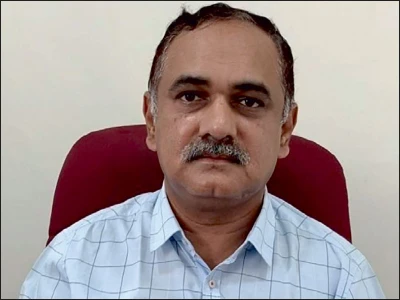
André Dienst, Managing Director, Curetec

How do smart curing systems address both sustainability and resilience challenges in India’s infrastructure development?
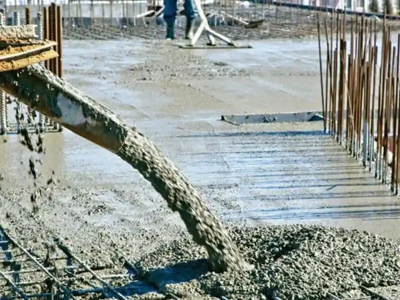
As India pushes towards a projected $7 trillion economy by 2030, infrastructure development is accelerating across roads, railways, tunnels, and precast-driven urban construction. This growth brings with it the critical need for both sustainability and resilience. Curing is essential for achieving designed concrete strength and long-term durability. Traditional methods such as water ponding or plastic sheeting are resource-heavy. In India, where water scarcity affects 600 million people, these practices strain environmental resources. Curetec's solutions reduce water usage by up to 70% and cut energy consumption by 50%. Integrating real-time sensors and renewable energy sources, CureControl not only improves strength by up to 30% but also reduces carbon emissions by 40% per cubic meter of concrete.Smart curing also supports resilience by preventing structural issues like micro-cracks and thermal gradients that reduce service life. For instance, in NEOM’s OXAGON project, our system helped tunnel segments reach a 28-day strength of 60 MPa with zero defects. In Indian megaprojects like the Chenab Bridge, the same level of curing precision ensures structural integrity under extreme climatic and seismic conditions. CureTents, combined with CureControl, allow scalability and adaptability for various project scales. Especially in India’s dynamic and climate-sensitive regions, our systems offer both precision and efficiency.

What are the economic benefits for precast producers in India?
Smart curing helps reduce operational costs by 25–35% by optimizing energy and water usage. For example, a precast plant producing 1,000 cubic meters monthly can save $50,000–$80,000 annually. Faster curing cycles boost plant output by up to 30%, enabling quicker project completion. Moreover, precise curing cuts down defects by 90%, reducing costly rework. This is especially significant in India’s cost-sensitive market, where project margins are often 5–10%.
How is Curetec investing in the future of smart curing for India?
We are continuously innovating. By 2027, we aim to reduce energy usage by an additional 20% through AI-driven analytics and IoT integrations in CureControl. Our partnerships with global leaders like Holcim and NEOM reflect our commitment to world-class quality and innovation. At EXCON 2025, we will demonstrate how smart curing is essential to building climate-resilient infrastructure that stands the test of time.As India prioritizes green and resilient infrastructure, Curetec is proud to support this journey. Through smart, efficient, and scalable curing technologies, we remain committed to helping India build a stronger, greener future—one cured concrete element at a time.
Our Shanghai production hub supports fast delivery and regional support across APAC, including India. Looking ahead, we are keen on forging local partnerships and establishing a dedicated facility in India. This will allow us to better serve Indian precast producers with tailored, sustainable curing systems that meet local project and climate needs.
Published on:
31 December 2025
Published in: ICCT, November-December, 2025
Share:
We Value Your Comment