The Invisible Problem of Poor Compaction in Real Structures
Why Cube Tests Don't Tell the Full Story of Concrete Strength and Durability
This study highlights the hidden risks of poor concrete compaction, showing how inadequate vibration increases porosity, lowers strength, and leads to misleading cube test results. The laboratory findings clearly demonstrate why cube tests alone cannot represent the true quality of concrete in real structures. By Dr. Dada Patil, Prof. Shafi Mujawar, Mahek Khan, Junaid Khan, Mohd. Usaid Shaikh, and Mohd. Anas Choudhary, Civil Engineering Department, AIKTC, Panvel, Navi Mumbai.Introduction
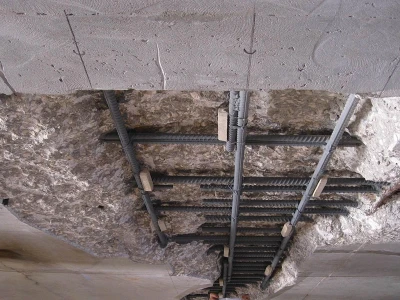
Compaction is an important process in concrete production that directly affects its mechanical strength and durability by reducing entrapped air and improving density. Inadequate compaction of concrete is one of the most common and damaging workmanship-related problems observed on construction sites. When concrete is not fully compacted, entrapped air voids remain within the matrix. This leads to increased porosity and reduced density. These voids act as weak zones, reducing the concrete’s compressive strength and overall load-bearing capacity.In structural elements such as beams, columns, slabs, etc., poor compaction compromises the bond between concrete and reinforcing steel. This causes premature cracking, honeycombing and segregation. Over the time, these defects become vulnerable to the ingress of water, chlorides and other deleterious substances. This accelerates steel corrosion and severely affects the durability and service life of the structure.

Many times, concrete placement is done without adequate vibration or tamping because labourers are unaware of its importance or supervisors prioritize speed over quality. The absence of proper quality control measures such as checking slump, layer thickness during compaction or ensuring the availability of functional vibrators further contributes to poor compaction. A concrete structure may appear sound externally but it may possess serious internal flaws. These defects not only result in long term structural damage and increased maintenance costs but can also pose safety risks to occupants. Hence, awareness programs, skilled supervision and adherence to standard compaction practices are critical to ensuring that the concrete achieves its intended strength, durability and performance on site.
This laboratory work investigates the influence of insufficient compaction on the density, compressive strength, water absorption, porosity, and ultrasonic pulse velocity (UPV) of M30 grade concrete. Concrete was filled in the cubes in 3 layers and 4 compaction levels were considered: no compaction, 5 tampings per layer, 10 tampings per layer and full compaction with 25 tampings per layer. The first three compaction levels simulated inadequate compaction on the actual construction site; whereas the full compaction was analogous to the cubes filled on the construction site for 28 days’ testing. What’s concerning is that while concrete cubes pass strength tests after 28 days, there is no guarantee that the concrete in the actual RCC elements has undergone the same level of quality control. The voids formed due to insufficient compaction, though not detectable through routine testing, can weaken the entire structure over time.
The experimental results indicate that the poor compaction declined the concrete performance and emphasize why relying solely on cube test results might not provide a complete picture of a structure’s true structural integrity.
Literature Review
Concrete porosity is increased by insufficient compaction, thereby reducing its mechanical properties [3-5]. Durability of concrete gets badly hampered due to negligence in proper compaction [6-9]. The bond strength of steel is impaired by poor compaction [5, 10]. With the increased use of new binders, performance-based specification of concrete durability is a growing trend [11]. The prescriptive limits to concrete composition are replaced by limits to its durability-related requirements (resistance to chloride penetration and carbonation).Compaction plays a vital role in determining mechanical strength and durability of the concrete. Inadequate compaction leads to excessive air voids, resulting in decreased density, increased permeability and lower compressive strength. Compaction pores are among the most detrimental, reducing compressive strength and elasticity modulus due to their impact on load transfer and microstructural integrity. Excess water and poor vibration lead to entrapped air and incomplete consolidation, aggravating these [12].

Figure 3: Poor Compaction at the Beam-Column Joints [12]
The strength of poorly compacted concrete is extremely lower than that of fully compacted one, particluarly for those with low water/cement ratios. When concrete contains 5% voids, it’s strength is lowered by about 30% [14]. The objective of compaction is to reduce entrapped air from the concrete and it is possible to remove 3% air by vibrating concrete just for 15 seconds [14, 15]. Capillary air, and compaction pores are responsible for decrease in compressive strength and elastic modulus of concrete [16-20].
Materials Used, Concrete Mix Design and Cube Casting

Figure 4: Four Sets of Concrete Cubes Cast
- OPC 53 Cement with specific gravity of 3.15, conforming to Indian Standard, IS 12269: 2013 [21].
- Fine aggregates (sand) of zone II with specific gravity 2.67 and coarse aggregates with specific gravity 2.75, both conforming to IS 383: 2016 [22].
- Potable mixing and curing water, conforming to IS 456: 2000 (Reaffirmed 2005) [23].
Four set of concrete cubes of size (150 mm x 150 mm x 150 mm) were cast; each set consisted of 3 cubes.
Fig. 4 shows the sets with no compaction (NC), 5 times compaction (5C), 10 times compaction (10C) and full compaction (25C) as per IS 516: Part 1: Section 1: 2021 [25] , from right to left respectively. It can be clearly seen that the cubes which received less compaction exhibited honeycombing, thereby underlining the importance of adequate compaction. All the cubes were kept under water for 28 days curing.

Experimental Investigations
Apparent Density and Porosity of Concrete Cubes

Porosity of concrete cube n = Volume of Voids (Vv) / Total Volume (V)
The assumed density of fully compacted concrete without any pores, often referred to as the theoretical maximum density or the solid density of concrete (P(concrete)) is typically cited as approximately 2700 kg/m³ [14]. This value is based on the density of the solid constituents of concrete excluding air voids or water in pores.
P(apparent) = P(concrete) x (1-n)
So, Porosity n = 1- (P(apparent) / P(concrete) )
Water Absorption of Concrete Cubes
After 28 days, cubes were placed in an oven at 1050C for 24 hours. The cubes were then taken out; they were cooled at the room temperature and mass was measured (M1). They were then immersed in the fresh and clean water. They were removed from the water after 24 hours of water absorption; the surface was air-dried and mass was taken again (M2). Average value of 3 cubes was considered.Water absorption (%) = [(M2 – M1) / M1] x100%
Ultrasonic Pulse Velocity (UPV) of Concrete Cubes
UPV tests on concrete cubes were carried out three times, i.e. after 28 days of curing, after oven drying and after water absorption. IS 516 (Part 5/Sec 1): 2018 [26] was used. The test facilitates in evaluating the uniformity, density and quality of concrete, and detecting internal flaws like cracks and voids. It involves measuring the velocity (km/Sec.) of ultrasonic pulses that travel through the concrete.Direct transmission method was used. For a pair of opposite faces, three readings were taken; for 3 pairs of faces, total 9 readings were taken for a cube and average value was considered.
Compressive Strength of Concrete Cubes
After water absorption readings were noted down, the same set of cubes were tested for the uniaxial compressive strength using compression testing machine (CTM), with a loading rate of 5.2 kN/Sec. The guidelines of IS 516: Part 1: Section 1: 2021 [25] were followed.Compressive Strength = [(Failure Load) / (Cross-Sectional Area, 150 x 150)] N/mm2 or Mpa.
Results and Discussion
Apparent Density and Porosity of Concrete Cubes

Figure 7. Average Apparent Density Values for Four Compaction Levels
The concrete specimens that received no compaction exhibited the highest porosity values, while those subjected to full compaction demonstrated the lowest porosity. This observation clearly underscores the direct influence of compaction on the pore structure of concrete. Inadequate compaction leads to the entrapment of air voids and an increase in overall porosity, which adversely affects both the strength and durability characteristics of the material. Hence, proper compaction is essential to achieving a dense, homogeneous concrete matrix with superior mechanical and durability performance.

Water Absorption of Concrete Cubes
The concrete specimens that received no compaction exhibited the highest water absorption values, indicating the presence of a large volume of interconnected voids within the matrix. Such excessive porosity is detrimental to both the mechanical strength and the long-term durability of concrete, as it facilitates the ingress of water and deleterious agents. With an increase in the number of tamping strokes per layer, a consistent reduction in water absorption was observed, reflecting the formation of a denser and less permeable concrete structure as a result of improved compaction.

Ultrasonic Pulse Velocity (UPV) of Concrete Cubes
It was observed that the ultrasonic pulse velocity (UPV) values exhibited an increasing trend with higher levels of compaction for all cases under consideration, indicating improved density and uniformity of the concrete matrix. The oven-dried specimens generally showed lower UPV values, which can be attributed to the increased travel time of ultrasonic waves resulting from the loss of physically held moisture within the voids. Moreover, the UPV values measured after water absorption were found to be lower than those recorded at 28 days. This reduction may be explained by the alteration of the pore structure caused by the sequential oven drying and subsequent water immersion processes, which disturbed the natural moisture equilibrium and density condition of the specimens present at 28 days.
Compressive Strength of Concrete Cubes
With full compaction, an average compressive strength of 37.55 MPa was achieved, which closely approached the target design strength. However, a progressive reduction in the number of tamping strokes per layer resulted in a corresponding decline in compressive strength. Specifically, a reduction of 15.5% was observed at 10 tampings, 32.3% at 5 tampings, and approximately 36% when no compaction was applied. These results clearly demonstrate the critical influence of compaction on the strength development of concrete. Even when high-quality materials and an optimized mix design are employed, inadequate compaction can significantly impair the strength and structural performance of the hardened concrete, underscoring the necessity of proper consolidation during placement.Conclusions
The results of this study conclusively establish that the degree of compaction exerts a pronounced influence on the physical and mechanical characteristics of concrete. Insufficient compaction was found to increase the porosity of concrete, reduce its density, and significantly decrease its compressive strength. Furthermore, inadequate compaction led to higher water absorption, indicating increased permeability and a less dense microstructure. In contrast, well compacted specimens exhibited greater UPV values, reflecting improved homogeneity and internal integrity. These relationships clearly demonstrate that proper compaction is a critical parameter in achieving the desired strength, durability and performance of concrete.The findings underscore the detrimental effects of poor compaction commonly observed at construction sites, where improper vibration or insufficient consolidation can lead to void formation, honeycombing and compromised structural integrity. Such deficiencies not only reduce load bearing capacity but also accelerate deterioration mechanisms, particularly those associated with ingress of moisture and aggressive agents. In light of these observations, it is advisable that the degree of compaction be explicitly considered within the acceptance criteria for concrete, complementing conventional strength based evaluations. Incorporating compaction related indicators into quality control protocols will contribute to a more holistic assessment of concrete quality, thereby enhancing the safety, serviceability and durability of reinforced concrete structures.
References:
- Shetty, M. S. (2005). Concrete technology: Theory & Practice. New Delhi: S. Chand & Co. Ltd.
- Monteiro, A. V., Gonçalves, A., Balayssac, J.-P., Yssorche-Cubaynes, M.-P., & Costa, A. (2023). On the role of compaction in disputes over the quality of the supplied concrete. Materials and Structures, 56, 60. https://doi.org/10.1617/s11527-023-02148-2
- Kaplan, M. F. (1960). Effects of incomplete consolidation on compressive and flexural strength, ultrasonic pulse velocity, and dynamic modulus of elasticity of concrete. Journal Proceedings, 56, 853–868. https://doi.org/10.14359/8124
- Gonçalves, A. (1987). Resistência do betão nas estruturas (PhD thesis). LNEC.
- Grampeix, G. (2012). Effect of internal vibration and concrete rheology on properties of reinforced concrete. In Proceedings of the 9th fib International PhD Symposium in Civil Engineering (pp. 387–392). Karlsruhe: KIT Scientific Publishing.
- Gonen, T., & Yazicioglu, S. (2007). The influence of compaction pores on sorptivity and carbonation of concrete. Construction and Building Materials, 21, 1040–1045. https://doi.org/10.1016/j.conbuildmat.2006.02.010
- Neves, R., Santos, J., & Monteiro, A. (2011). Estudo sobre a influência da compactação na resistência do betão à carbonatação. In 6º Congresso Luso-Moçambicano de Engenharia, Maputo.
- Chidiac, S. E., Maadani, O., Razaqpur, A. G., & Mailvaganam, N. P. (2003). Correlation of rheological properties to durability and strength of hardened concrete. Journal of Materials in Civil Engineering, 15(4), 391–399. https://doi.org/10.1061/(ASCE)0899-1561(2003)15:4(391)
- Gao, X., Zhang, J., & Su, Y. (2019). Influence of vibration-induced segregation on mechanical property and chloride ion permeability of concrete with variable rheological performance. Construction and Building Materials, 194, 32–41. https://doi.org/10.1016/j.conbuildmat.2018.11.019
- Chan, Y.-W., Chen, Y.-G., & Liu, Y.-S. (2003). Effect of consolidation on bond of reinforcement in concrete of different workabilities. Materials Journal, 100, 294–301. https://doi.org/10.14359/12667
- Beushausen, H., Alexander, M. G., Basheer, M., et al. (2016). Principles of the performance-based approach for concrete durability. In H. Beushausen & L. Fernandez Luco (Eds.), Performance-based specifications and control of concrete durability: State-of-the-art report RILEM TC 230-PSC (pp. 107–131). Netherlands: Springer.
- Gönen, T. (2016). The effect of inadequate compaction on compressive strength of concrete exposed to elevated temperature. Scientia Iranica, 23(1), 114–121. https://doi.org/10.24200/sci.2016.2102
- Gonen, T., & Yazicioglu, S. (2007). The influence of compaction pores on sorptivity and compressive strength of concrete. Construction and Building Materials, 21(5), 1040–1045.
- Neville, A. M. (1981). Properties of concrete. London: Pitman Books Limited.
- Mindess, S., & Young, J. F. (1981). Concrete. New Jersey: Prentice-Hall Inc.
- Soroka, I. (1979). Portland cement paste and concrete. London: Macmillan.
- Mehta, P. K. (1986). Concrete: Structure, properties and materials. New York: Prentice-Hall.
- Neville, A. M., & Brooks, J. J. (1990). Concrete technology. Singapore: Longman.
- Brandt, A. M. (1995). Cement based composites: Materials, mechanical properties and performance. London: E & FN Spon.
- Newman, K. (1966). Concrete systems. In L. Holliday (Ed.), Composite materials (pp. 336–352). USA: Elsevier.
- Bureau of Indian Standards. (2013). IS 12269: 2013 – Ordinary Portland Cement 53 Grade – Specification (First Revision). New Delhi, India.
- Bureau of Indian Standards. (2016). IS 383: 2016 – Coarse and fine aggregate for concrete – Specification (Third Revision). New Delhi, India.
- Bureau of Indian Standards. (2000). IS 456: 2000 – Plain and reinforced concrete – Code of practice (Fourth Revision). (Reaffirmed 2005). New Delhi, India.
- Bureau of Indian Standards. (2019). IS 10262: 2019 – Concrete mix proportioning – Guidelines (Second Revision). New Delhi, India.
- Bureau of Indian Standards. (2021). IS 516 (Part 1/Sec 1): 2021 – Hardened concrete – Methods of test, Part 1: Testing of strength of hardened concrete, Section 1: Compressive, flexural and split tensile strength (First Revision). New Delhi, India.
- Bureau of Indian Standards. (2018). IS 516 (Part 5/Sec 1): 2018 – Hardened concrete – Methods of test, Part 5: Non-destructive testing of concrete, Section 1: Ultrasonic pulse velocity testing. New Delhi, India.
Published on:
31 December 2025
Published in: ICCT, November-December, 2025
Share:
We Value Your Comment